What waste
can you bring?
Select a waste category to see what it may contain, what must be kept out and how to prepare the material for acceptance.
No matching waste was found. Try another name or waste code, or contact us.

Concrete
We accept concrete under waste code 170101 and recover it through operation R5.
Concrete
We accept concrete under waste code 170101 and recover it through operation R5.
We accept concrete under waste code 170101 and recover it through operation R5.
Concrete is construction waste from demolished or dismantled structures that is suitable for further material recovery. It mainly consists of concrete pieces from foundations, floors and similar structures, without contamination from other materials. Clean concrete contains no admixtures, coatings or attached layers and is suitable for crushing and subsequent recycling.
What it may contain
- Concrete pieces of various sizes
- Concrete containing reinforcement
- Panels, lintels and kerbs
- Concrete gravestones
- Concrete posts
What it must not contain
- Coated concrete — concrete with bituminous or waterproof coatings, epoxy, polyurethane or other polymer paints or coatings.
- Concrete with attached underlying layers: paper, roofing felt, cardboard separation layers, PVC sheets and other plastic separation layers, polystyrene, foam and other thermal insulation boards.
- Concrete containing polystyrene, expanded clay or perlite (lightweight concrete).
- Geotextiles, mats and bituminous waterproofing sheets (IPA).
- Contaminated concrete — adhesives, sealants, resin residues, wood, rubber, textiles, plastics, plasterboard, biodegradable waste and similar materials.
- Concrete with a high rubble content (bricks, tiles, ceramics and similar materials).
- Material from site clearance after construction work has been completed.
General information
An authorised A-Z STAV employee determines the category of delivered waste and the proportions of its components.
If waste does not meet the required quality, its classification and price are determined individually because of additional processing and recycling costs.
Prices for waste recovery and containers are listed in ourprice lists here.
Container information:
The maximum container load capacity of 8 tonnes must be observed.
Please fill the container no higher than the sidewall level so that we can transport the waste safely. If the container is filled above the sidewalls, we reserve the right to refuse collection or charge for a larger container volume.
When ordering a container, make sure there is enough space for delivery and collection.
A firm surface must also be provided; otherwise, we cannot guarantee safe and straightforward collection.
If the container occupies public space, you need a permit from the municipality. Visit the City ofBratislava website here.

Heavy construction waste (Rubble)
We accept mixtures of concrete, bricks, tiles and ceramics under waste code 170107 and recover them through operation R5.
Heavy construction waste (Rubble)
We accept mixtures of concrete, bricks, tiles and ceramics under waste code 170107 and recover them through operation R5.
We accept mixtures of concrete, bricks, tiles and ceramics under waste code 170107 and recover them through operation R5.
Rubble is a mixture of heavy construction waste, such as concrete pieces, aerated concrete, bricks, roof tiles, wall and floor tiles, ceramics, dust and mortar residues. Clean rubble contains no foreign materials and is suitable for crushing and recycling.
What it may contain
- Concrete, bricks, roof tiles, wall and floor tiles, and ceramics
- Aerated concrete (Ytong, Porfix and similar products)
- Plaster and mortar
- Washbasins without metal or plastic parts, and toilet bowls
What it must not contain
- Mesh, including mesh coated with plaster or adhesive
- Plasterboard
- Plastics, sheets, wood, glass, metals, textiles, foam, rubber, cables and similar materials.
- Asphalt or bitumen, IPA sheets and waterproofing layers.
- Polystyrene and thermal insulation.
- Reeds, wood-wool cement board (Heraklith) and slag.
- Pieces with continuous coatings or attached layers (sheets, polystyrene, Styrodur, geotextiles and similar materials).
- Hardened cement in its packaging (paper bags and plastic buckets).
- Material from site clearance after construction work has been completed.
Material unsuitable for recycling — contaminated rubble or composite fractions, particularly:
General information
An authorised A-Z STAV employee determines the category of delivered waste and the proportions of its components.
If waste does not meet the required quality, its classification and price are determined individually because of additional processing and recycling costs.
Prices for waste recovery and containers are listed in ourprice lists here.
Container information:
The maximum container load capacity of 8 tonnes must be observed.
Please fill the container no higher than the sidewall level so that we can transport the waste safely. If the container is filled above the sidewalls, we reserve the right to refuse collection or charge for a larger container volume.
When ordering a container, make sure there is enough space for delivery and collection.
A firm surface must also be provided; otherwise, we cannot guarantee safe and straightforward collection.
If the container occupies public space, you need a permit from the municipality. Visit the City ofBratislava website here.

Wood
We accept wood under waste code 170201 (Wood) or 150103 (Wooden packaging) and recover it through operation R12.
Wood
We accept wood under waste code 170201 (Wood) or 150103 (Wooden packaging) and recover it through operation R12.
We accept wood under waste code 170201 (Wood) or 150103 (Wooden packaging) and recover it through operation R12.
Clean wood is material suitable for wood-chip production or energy recovery. This includes packaging timber, pallets, transport boxes, boards, furniture wood and construction timber without foreign materials.
What it may contain
- Packaging timber: pallets, transport boxes, battens, boards and beams (ordinary nails and small metal fittings are acceptable).
- Furniture and construction timber: varnished, stained or bonded wood (OSB, plywood and formwork boards), sawn timber and joinery offcuts, and uncontaminated installation offcuts and residues.
- Small amounts of ordinary dust or soil contamination are tolerated.
What it must not contain
- Wood with bituminous coatings or tar (old parquet flooring and railway sleepers).
- Wooden window frames.
- Laminate, floating flooring and vinyl.
- Wood with an aluminium layer (aluminium foil or sandwich boards).
- Excessive hardboard / HDF (high-density fibreboard).
- Wood-wool cement boards (Heraklith).
- Biodegradable waste — branches, trees, stumps and roots.
- PUR foam (for example, door frames with foam), plastics and sheets.
- Geotextiles, glass, plasterboard, mineral wool, plaster, concrete and rubble.
- Wood treated with unidentified chemicals.
- Fire doors
General information
An authorised A-Z STAV employee determines the category of delivered waste and the proportions of its components.
If waste does not meet the required quality, its classification and price are determined individually because of additional processing and recycling costs.
Prices for waste recovery and containers are listed in ourprice lists here.
Container information:
The maximum container load capacity of 8 tonnes must be observed.
Please fill the container no higher than the sidewall level so that we can transport the waste safely. If the container is filled above the sidewalls, we reserve the right to refuse collection or charge for a larger container volume.
When ordering a container, make sure there is enough space for delivery and collection.
A firm surface must also be provided; otherwise, we cannot guarantee safe and straightforward collection.
If the container occupies public space, you need a permit from the municipality. Visit the City ofBratislava website here.

Soil and stones
We accept soil and stones under waste code 170504 and recover them through operation R5.
Soil and stones
We accept soil and stones under waste code 170504 and recover them through operation R5.
We accept soil and stones under waste code 170504 and recover them through operation R5.
Soil and stones include excavated or delivered soil that may naturally contain aggregates, gravel or small pebbles. The material must be free from foreign materials.
What it may contain
- Topsoil, clay and sand.
- Gravel, quarried stone and pebbles naturally mixed with soil.
- Small roots and natural impurities in ordinary quantities.
What it must not contain
- A high biomass content: turf, oversized roots and stumps, shrubs, branches, compost and leaves.
- Soil containing rubble, concrete, bricks, blocks, plaster, mortar, paving or asphalt.
- Waste and foreign materials: plastics, sheets, geotextiles, polystyrene, glass, metals, cables, plasterboard, wood-wool cement board, mesh, textiles and similar materials.
- Chemical contamination: oils, fuels, paints, adhesives, resins, bituminous coatings, or soil from accidents and industrial sites.
- Sludge mixtures and excessively wet material (mud or concrete sludge).
- Wood and construction residues concealed in soil.
- Material from site clearance after construction work has been completed.
General information
An authorised A-Z STAV employee determines the category of delivered waste and the proportions of its components.
If waste does not meet the required quality, its classification and price are determined individually because of additional processing and recycling costs.
Prices for waste recovery and containers are listed in ourprice lists here.
Container information:
The maximum container load capacity of 8 tonnes must be observed.
Please fill the container no higher than the sidewall level so that we can transport the waste safely. If the container is filled above the sidewalls, we reserve the right to refuse collection or charge for a larger container volume.
When ordering a container, make sure there is enough space for delivery and collection.
A firm surface must also be provided; otherwise, we cannot guarantee safe and straightforward collection.
If the container occupies public space, you need a permit from the municipality. Visit the City ofBratislava website here.
Bituminous mixtures (Asphalt)
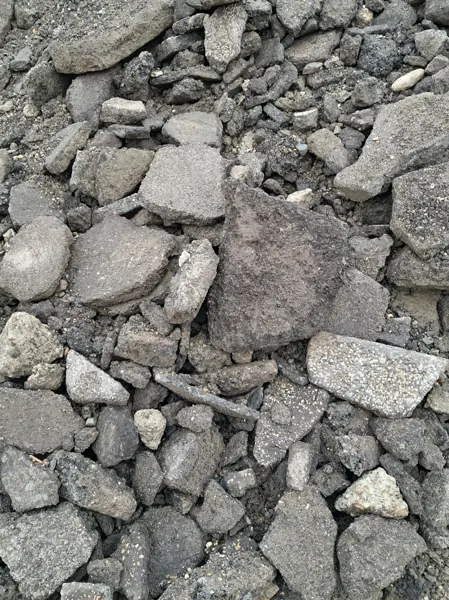
We accept bituminous mixtures under waste code 170302 and recover them through operation R5.
Bituminous mixtures (Asphalt)
We accept bituminous mixtures under waste code 170302 and recover them through operation R5.
We accept bituminous mixtures under waste code 170302 and recover them through operation R5.
Clean asphalt is milled, crushed or broken asphalt, mainly road asphalt (asphalt concrete), intended for recycling. It does not include roofing or waterproofing bituminous materials. The normal natural aggregate content of asphalt is acceptable.
What it may contain
- Road asphalt, whether milled, crushed or in pieces.
What it must not contain
- Roofing and waterproofing bituminous materials: IPA / roofing felt, roof shingles, asphalt sealants and bituminous sheets.
- Tar-containing materials: old asphalt-tar surfacing and tar coatings (hazardous waste).
- Concrete, bricks, paving and similar materials.
- Soil and biomass.
- Plastics, sheets, wood, glass, metals, textiles, foam, rubber and similar materials.
General information
An authorised A-Z STAV employee determines the category of delivered waste and the proportions of its components.
If waste does not meet the required quality, its classification and price are determined individually because of additional processing and recycling costs.
Prices for waste recovery and containers are listed in ourprice lists here.
Container information:
The maximum container load capacity of 8 tonnes must be observed.
Please fill the container no higher than the sidewall level so that we can transport the waste safely. If the container is filled above the sidewalls, we reserve the right to refuse collection or charge for a larger container volume.
When ordering a container, make sure there is enough space for delivery and collection.
A firm surface must also be provided; otherwise, we cannot guarantee safe and straightforward collection.
If the container occupies public space, you need a permit from the municipality. Visit the City ofBratislava website here.
Biodegradable waste
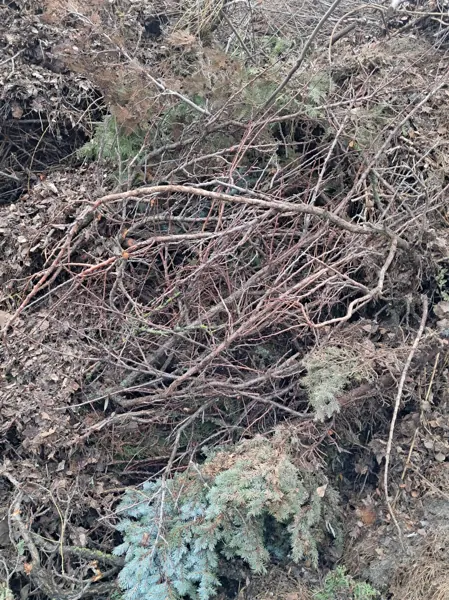
We accept biodegradable waste under waste code 200201 and recover it through operation R12.
Biodegradable waste
We accept biodegradable waste under waste code 200201 and recover it through operation R12.
We accept biodegradable waste under waste code 200201 and recover it through operation R12.
Clean biodegradable waste consists solely of plant material from gardens and public green spaces, without other components.
What it may contain
- Grass, leaves, hay, branches, roots and needles.
- Fresh or dry branches, trunks, tree cuttings, shoots, shrubs, hedges, flowers and weeds without soil.
What it must not contain
- Processed or composite wood, OSB, laminate, hardboard, pallets, and varnished or impregnated wood.
- Any construction or heavy waste: soil, gravel, stones, concrete, rubble, bricks, paving, asphalt, laminate, floating flooring or vinyl.
- Food and kitchen waste, bones, fats and liquids.
- Contaminated piles from site clearance (mixtures of soil, roots, sheets, stones and waste).
- Plastics, sheets, string, textiles, wire, metals, glass, flowerpots, nets, packaging and fencing overgrown with plant material.
General information
An authorised A-Z STAV employee determines the category of delivered waste and the proportions of its components.
If waste does not meet the required quality, its classification and price are determined individually because of additional processing and recycling costs.
Prices for waste recovery and containers are listed in ourprice lists here.
Container information:
The maximum container load capacity of 8 tonnes must be observed.
Please fill the container no higher than the sidewall level so that we can transport the waste safely. If the container is filled above the sidewalls, we reserve the right to refuse collection or charge for a larger container volume.
When ordering a container, make sure there is enough space for delivery and collection.
A firm surface must also be provided; otherwise, we cannot guarantee safe and straightforward collection.
If the container occupies public space, you need a permit from the municipality. Visit the City ofBratislava website here.
Bulky waste
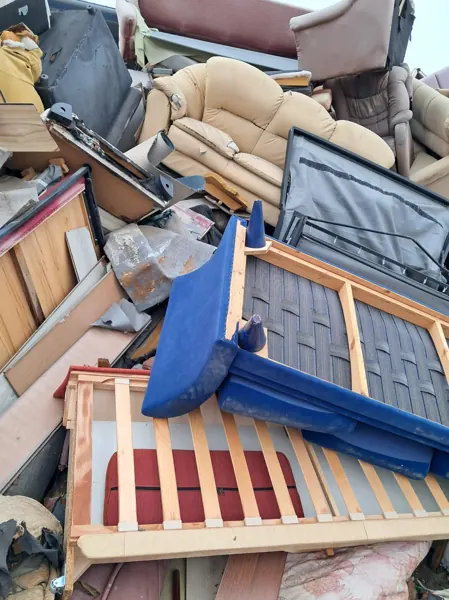
We accept bulky waste under waste code 200307 and recover it through operation R12.
Bulky waste
We accept bulky waste under waste code 200307 and recover it through operation R12.
We accept bulky waste under waste code 200307 and recover it through operation R12.
Bulky waste is non-municipal waste commonly found in households that is neither construction waste nor mixed waste. Examples include old furniture, carpets, mattresses and clothing.
What it may contain
- Old furniture (wardrobes, beds, mattresses, armchairs, chairs, kitchen units and shelves).
- Carpets and mattresses.
- Old clothing without odour and ordinary household textiles.
What it must not contain
- Sheets, plastic pipes, drainage pipes, bulk bags and similar materials.
- Geotextiles, bituminous sheets and similar materials.
- Any construction or heavy waste: soil, gravel, stones, concrete, rubble, bricks, paving, asphalt, laminate, linoleum and similar materials.
- Contaminated wood, biodegradable waste and similar materials.
General information
An authorised A-Z STAV employee determines the category of delivered waste and the proportions of its components.
If waste does not meet the required quality, its classification and price are determined individually because of additional processing and recycling costs.
Prices for waste recovery and containers are listed in ourprice lists here.
Container information:
The maximum container load capacity of 8 tonnes must be observed.
Please fill the container no higher than the sidewall level so that we can transport the waste safely. If the container is filled above the sidewalls, we reserve the right to refuse collection or charge for a larger container volume.
When ordering a container, make sure there is enough space for delivery and collection.
A firm surface must also be provided; otherwise, we cannot guarantee safe and straightforward collection.
If the container occupies public space, you need a permit from the municipality. Visit the City ofBratislava website here.

Gypsum-based construction materials
We accept gypsum-based construction materials under waste code 170802 and recover them through operation R12.
Gypsum-based construction materials
We accept gypsum-based construction materials under waste code 170802 and recover them through operation R12.
We accept gypsum-based construction materials under waste code 170802 and recover them through operation R12.
Clean plasterboard includes uncontaminated plasterboard sheets, gypsum plaster and skim coats.
What it may contain
- Plasterboard sheets, offcuts and dust without other materials.
- Gypsum plaster and skim coats.
What it must not contain
- Structural components: metal profiles, steel corners, aluminium strips and frames.
- Other sheet materials: OSB, MDF/HDF, hardboard, chipboard, laminate and wood.
- Ceiling tiles and suspended ceiling panels.
- Any construction or heavy waste: soil, gravel, stones, concrete, rubble, bricks, paving, asphalt, laminate, floating flooring or vinyl.
- Plasterboard mixed with other construction waste (mesh, plastics, wood and similar materials).
- Heavily wet or muddy plasterboard, which reduces recycling quality.
General information
An authorised A-Z STAV employee determines the category of delivered waste and the proportions of its components.
If waste does not meet the required quality, its classification and price are determined individually because of additional processing and recycling costs.
Prices for waste recovery and containers are listed in ourprice lists here.
Container information:
The maximum container load capacity of 8 tonnes must be observed.
Please fill the container no higher than the sidewall level so that we can transport the waste safely. If the container is filled above the sidewalls, we reserve the right to refuse collection or charge for a larger container volume.
When ordering a container, make sure there is enough space for delivery and collection.
A firm surface must also be provided; otherwise, we cannot guarantee safe and straightforward collection.
If the container occupies public space, you need a permit from the municipality. Visit the City ofBratislava website here.
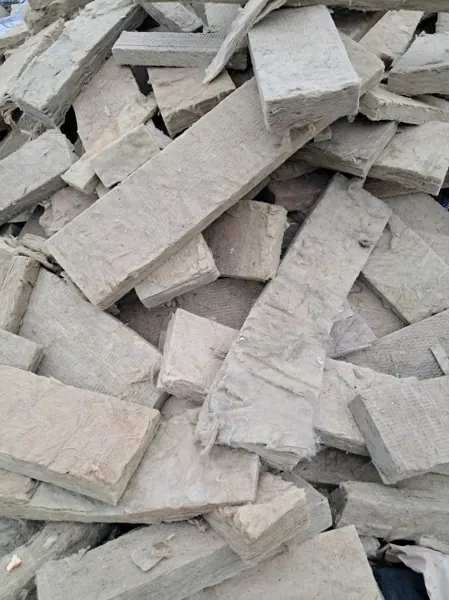
Insulation materials
We accept insulation materials under waste code 170604 and recover them through operation R12.
Insulation materials
We accept insulation materials under waste code 170604 and recover them through operation R12.
We accept insulation materials under waste code 170604 and recover them through operation R12.
Insulation materials are light, bulky construction materials intended for thermal insulation, particularly:Nobasil, glass wool, polystyrene and Styrodur.
What it may contain
- Clean insulation materials or those with ordinary construction-site soiling.
- Polystyrene or Styrodur, including adhesive, plaster or mesh residues.
- Mineral wool / glass wool residues.
What it must not contain
- Any other construction or heavy waste: soil, gravel, stones, concrete, bricks, paving, asphalt, laminate, floating flooring, vinyl or wood.
- Other thermal insulation or waterproofing materials, such as Tatrafol, bituminous sheets, roofing felt, asphalt roofing, geotextiles and similar materials.
- Small insulation residues or offcuts mixed with other construction materials.
General information
An authorised A-Z STAV employee determines the category of delivered waste and the proportions of its components.
If waste does not meet the required quality, its classification and price are determined individually because of additional processing and recycling costs.
Prices for waste recovery and containers are listed in ourprice lists here.
Container information:
The maximum container load capacity of 8 tonnes must be observed.
Please fill the container no higher than the sidewall level so that we can transport the waste safely. If the container is filled above the sidewalls, we reserve the right to refuse collection or charge for a larger container volume.
When ordering a container, make sure there is enough space for delivery and collection.
A firm surface must also be provided; otherwise, we cannot guarantee safe and straightforward collection.
If the container occupies public space, you need a permit from the municipality. Visit the City ofBratislava website here.
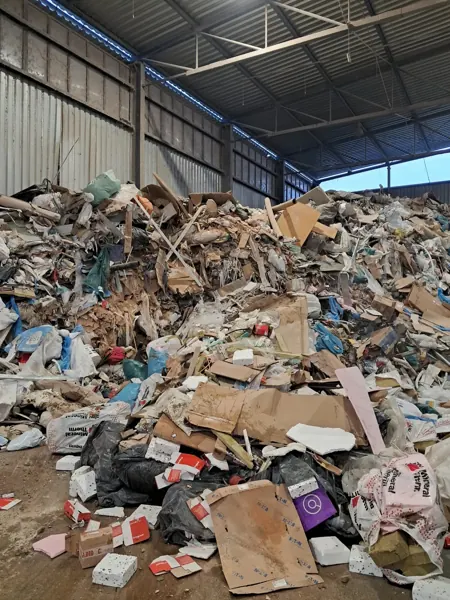
Mixed construction and demolition waste
We accept mixed construction and demolition waste under waste code 170904 and recover it through operation R12.
Mixed construction and demolition waste
We accept mixed construction and demolition waste under waste code 170904 and recover it through operation R12.
We accept mixed construction and demolition waste under waste code 170904 and recover it through operation R12.
Mixed waste is a dry, heterogeneous mixture of light to medium-weight construction and demolition materials from ordinary building work, such as renovation, interior alterations and dismantling. It is intended for further sorting and subsequent material or energy recovery. Mixed waste must:
- contain no significant proportion of heavy mineral components (concrete, rubble, asphalt or soil),
- contain no hazardous components,
- contain no liquids.
The price depends on how readily the material can be sorted and the proportion of unsuitable components. Excessive weight or overloading may result in a flat rate per tonne or an additional charge per tonne.
What it may contain
- Wood (battens, boards, furniture parts, OSB, plywood, formwork boards and similar materials).
- Plastics and sheets (packaging, pipes, buckets and straps — without liquids).
- Light composite materials.
- Paper and cardboard.
- Metals (profiles, sheet metal, fittings and pipes).
- Insulation and plasterboard.
- Biodegradable waste, bulky waste and similar materials.
The above and other types of waste when they have not been separated individually:
What it must not contain
- Tyres and liquids (paints, oils, solvents, chemicals and similar substances).
- Hazardous waste.
Waste that is difficult to sort in a container
Waste that is difficult to sort is mixed or construction waste with an irregular, heterogeneous composition. Its components are dispersed throughout the load so that sorting into usable fractions cannot be carried out in the standard way without significantly increased processing and handling costs.
Waste that is easy to sort or separate in a container
General information
An authorised A-Z STAV employee determines the category of delivered waste and the proportions of its components.
If waste does not meet the required quality, its classification and price are determined individually because of additional processing and recycling costs.
Prices for waste recovery and containers are listed in ourprice lists here.
Container information:
The maximum container load capacity of 8 tonnes must be observed.
Please fill the container no higher than the sidewall level so that we can transport the waste safely. If the container is filled above the sidewalls, we reserve the right to refuse collection or charge for a larger container volume.
When ordering a container, make sure there is enough space for delivery and collection.
A firm surface must also be provided; otherwise, we cannot guarantee safe and straightforward collection.
If the container occupies public space, you need a permit from the municipality. Visit the City ofBratislava website here.
How do I choose the correct waste category?
Compare the material with the descriptions and photographs for each category. If unsure, send us photographs. An authorised A-Z STAV employee determines the final classification and proportions of its components.
Can I mix different waste types?
Each category has its own acceptance conditions. Additional materials can change the waste classification and price. Before loading, open the lists of permitted and excluded contents.
How high can I fill a container?
Load waste no higher than the sidewalls and observe the maximum load of 8 tonnes. An overfilled container may not be safe to transport. Container conditions.
What if the waste does not meet the required quality?
We assess the classification and price individually, based on the composition and additional processing costs. Send photographs and an estimated quantity for an initial assessment.